



Blog
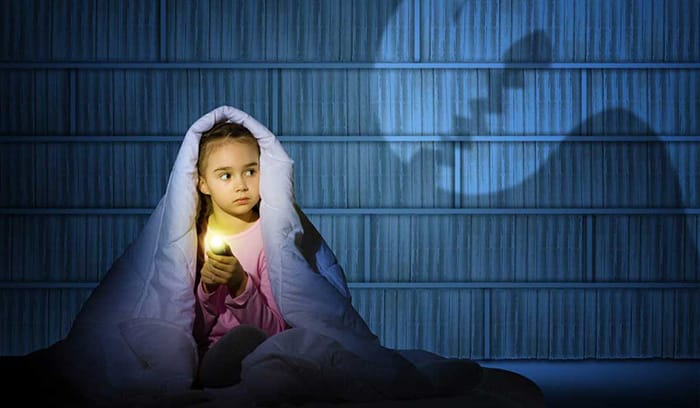
Have you ever woken up in the middle of the night to hear your child calling for you, or found them in your bed out of fear of the dark? For many toddlers, bedtime is the only time they are alone in the dark. During the day, children usually play with their friends or are supervised by adults, so it is natural that this solitude and darkness at bedtime can cause anxiety and fear. Parents are always trying to make their children’s lives happy and worry-free. Perhaps one of your biggest concerns is that your child might feel scared. Especially when your child suddenly becomes afraid as the lights go out, this can be very upsetting. But how is it possible for a child who has no negative experience with darkness to become so frightened?
Fear of the dark in children is a common and natural phenomenon that most children experience at some point in their lives. This feeling can arise from active imaginations and the natural sensitivities of childhood.
Definition of Fear
Fear is one of the fundamental and natural human emotions, recognized as a defensive reaction against dangers and threats. This feeling can manifest physiologically (such as increased heart rate and sweating) and psychologically (such as feelings of anxiety and worry). In children, fear takes on various forms at different stages of growth due to their incomplete understanding of their environment and their own abilities. Some fears may be temporary and decrease as the child grows older, while others can lead to more serious problems.
As children grow, various worries and fears develop. Some of these feelings are common at different developmental stages:
Ages 2-4
- Fear of the dark
- Fear of closets
- Fear of sleeping alone
- Fear of weather conditions (thunder and lightning)
- Fear of shadows
- Fear of loud noises
Ages 5-7
- Fear of the dark
- Fear of doctors
- Fear of sudden loud noises
- Fear of insects and animals
- Fear of rejection by friends
Ages 8-11
- Fear of ghosts
- Fear of losing loved ones
- Fear of failing at school
- Fear of bad people (kidnapping)
- Fear of disappointing parents
Ages 12-18
- Fear for personal safety
- Fear of public speaking at school
- Fear of death
- Fear of the future
- Fear about self-image (fear of others’ opinions)
- Fear of abuse
- Fear of global events
In this article, we will focus solely on fear of the dark in children. This type of fear is one of the most common and well-known fears among children and has a profound impact on their behavior and sleep.
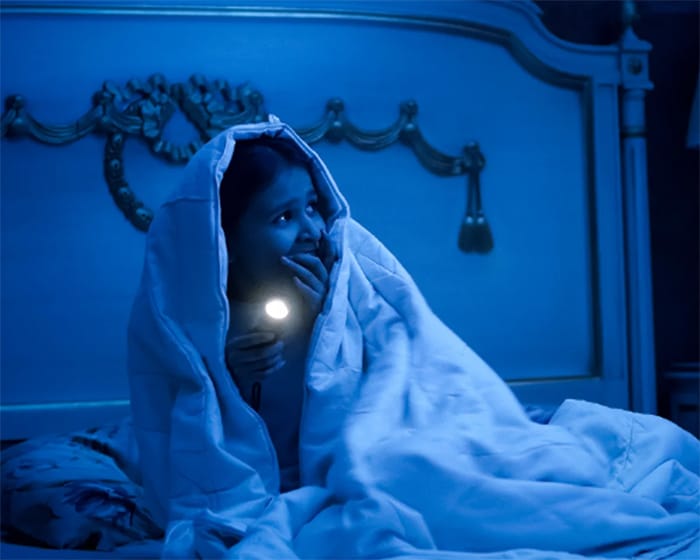
Factors Influencing Children’s Fear of the Dark
Fear of the dark is a common experience among toddlers and can stem from various factors. Here, we examine these factors based on scientific and reliable evidence:
Negative Emotions Related to Sleep
Children may develop negative feelings toward their sleeping environment. The presence of dark spots in the room or familiar objects that appear frightening in low light can stimulate a child’s imagination. Although these fears may seem unfounded to adults, they are very real for the child and require attention. Establishing a positive and calming bedtime routine can help reduce these negative feelings.
Impact of Visual Media
Children are highly influenced by media content. Scary scenes occurring in the dark or dimly lit environments can evoke fear in them. These images may become vivid in a child’s mind and intensify their fears when they are alone in the dark. Therefore, monitoring the media content children are exposed to is very important.
Diet and Sleep
Research has shown that diet can affect sleep quality. Consuming foods high in sugar may lead to increased blood glucose levels and poor sleep quality. Insufficient sleep can create more opportunities for anxiety and fear to arise. Thus, paying attention to a child’s nutrition and ensuring adequate sleep can help reduce nighttime fears.
Parental Anxiety
Studies indicate that parental anxiety can be transferred to children. Even if parents are not specifically afraid of the dark, their general worries can impact the child’s sense of security. Overprotective parents may also contribute to increased anxiety in their children.
Traumatic Experiences
Traumatic events such as accidents or unfortunate incidents can cause specific phobias. If a child has gone through a traumatic experience, the likelihood of developing a fear of the dark or other phobias increases.
Suggested article: Childhood depression
At What Age Does Fear of the Dark Begin?
Fear of the dark is a common childhood experience that nearly all children face at some point in their lives. Research indicates that fear and anxiety related to darkness typically intensify starting around 2 to 2.5 years of age. This phenomenon often coincides with important stages of cognitive and social development, when children’s imaginations become more active. At this age, children may begin engaging in imaginative play. They are able to create mental images of imaginary threats, which can cause anxiety and fear when facing the dark. These new imaginings may seem fascinating and exciting during the day, but at bedtime, they can become a source of worry.
Studies show that most children experience fear of the dark at some point before the age of 12. However, some children may carry this fear into adulthood. It is important for parents to acknowledge these feelings rather than ignore or belittle them, because these fears are very real and significant to the child.
To help children manage this fear, parents can take measures such as using night lights, creating safe and calming environments, and discussing fears in a positive and supportive way. Some children may only fear the dark for a few weeks, while others may experience it for months or even years. Additionally, other fears can develop alongside fear of the dark over time.
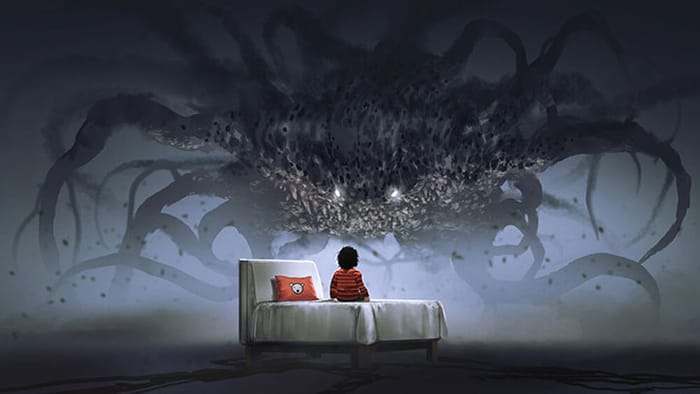
Fear is a Natural Reaction and a Defensive Mechanism
Fear is one of the fundamental human emotions that plays a crucial role in survival and personal safety. It acts as a natural response to environmental threats and dangers, helping us avoid risky situations and thereby protecting our physical and mental health.
When faced with danger, fear reminds us to avoid behaviors that might harm us. For example, children naturally learn to avoid swimming in deep water or getting close to fire because fear of drowning or burning helps them stay safe. These responses result not only from personal experiences but may also be genetically inherited. Research suggests that some fears can be passed down through generations, with negative experiences of ancestors recorded in our DNA.
Fear is also an important defense mechanism that enables us to react to potential threats. It is more pronounced in childhood, and while severe fears can negatively affect a child’s emotional well-being, healthy fears help children take necessary precautions to stay safe. For instance, fear of drowning, burning, or abduction can help a child avoid dangerous situations and learn vital skills. Overall, fear is not just a natural feeling but an effective tool for self-protection in a complex and sometimes dangerous world.
Fear Should Not Be Used as a Disciplinary Tool
When you realize your child is afraid of the dark, you might be tempted to use this fear to your advantage. Phrases like, “If you don’t do your homework, I’ll tell the boogeyman to come!” or “Go to sleep, or I’ll feed you to the monster in your closet,” may seem like harmless jokes to you. However, these kinds of behaviors can reinforce unhealthy fears and unnecessary anxieties in your child.
Using fear as a disciplinary tool not only fails to produce positive results but can also cause psychological and emotional harm. Therefore, it is better to avoid playing on your child’s fears and instead create a safe, supportive space where they can face their fears in a healthy way.
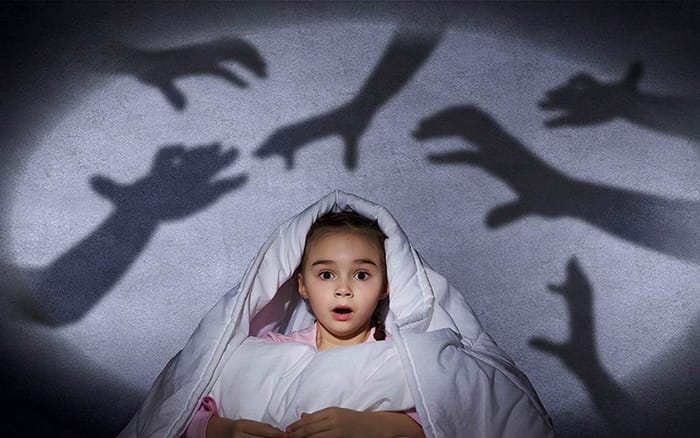
Difference Between Fear of Darkness and Phobia of Darkness
Fear of darkness is one of the most common fears among children and usually appears between the ages of 3 to 6 as a natural part of a child’s developmental process. Many psychologists and psychiatrists believe that this fear is a normal stage in children’s emotional and cognitive development.
In contrast, phobia is generally recognized as one of the most common psychiatric disorders. According to statistics, about 12% of adults and nearly 20% of adolescents experience it at some point in their lives. Phobia involves intense and uncontrollable feelings of anxiety and terror, which may lead to panic attacks. These attacks can include symptoms such as heart palpitations, dizziness, nausea, and feelings of panic. People with phobias usually avoid situations that trigger their fear; for example, they might refuse to go to bed.
The main difference between natural fear and phobia lies in the intensity and level of anxiety. While most children gradually overcome their fears by the age of 7 or 8, in some cases, this fear may develop into a medical condition called “nyctophobia,” which means an extreme fear of darkness.
If a child’s fear is irrational and excessive and affects their daily life, it may be classified as a phobia. In such cases, consulting a psychologist for guidance and support is essential.
Suggested article: ADHD in children
Improving the Child’s Sleep Environment
To improve the quality of sleep for infants and children, changes in the sleep environment can be effective. One such change is the use of a night light. It is recommended that if you use a night light, choose warm colors such as yellow, orange, or red. Research has shown that blue lights can increase cortisol production, which can interfere with calm and deep sleep. It is also advised to gradually and gently dim the lights in the house near bedtime. This not only helps the child fall asleep more easily but also stimulates melatonin production and facilitates the sleep process.
Finally, remember that changes in a child’s sleep habits usually do not happen overnight. Maintaining respect and creating a calm and consistent environment is very important. Over time and with parental support, children can reduce their fear of darkness and consequently enjoy better sleep.
Fear of darkness is a common experience in childhood, encountered by many children at different stages of their development. This fear usually begins in early childhood, especially in toddlerhood, when children’s active imagination can contribute to forming scary images. For example, imagining creatures hiding under the bed or in the closet can greatly increase feelings of insecurity and fear.
As children enter school age, these fears are expected to decrease because children learn to differentiate between reality and imagination. However, factors such as frightening images in media, parental anxiety, and poor dietary habits can exacerbate these fears. Additionally, negative experiences related to sleep and the sleep environment can also impact children’s emotions.
If you are concerned that your child’s fear of darkness is beyond the normal range or persists for a longer time, consulting an experienced psychologist can be helpful. They can provide effective strategies to assist your child and help you manage the situation.