



Blog
Features of the brain
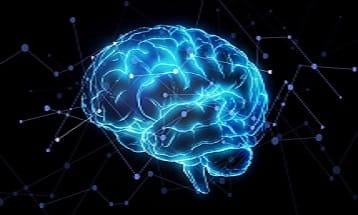
Unknown Wonders of the Human Brain
- The brain is the most complex organ in the body, located beneath the skull, containing over 100 billion nerve cells (neurons) that work tirelessly and without rest. Each of these cells can form 10,000 chemical connections, and in addition, each cell can establish unlimited electromagnetic connections with other brain cells.
- According to the latest estimates by 2020, there are approximately 85 to 86 billion neurons in the brain.
- In a tiny part of the brain (the size of a grain of sand), there are about 100,000 neurons and 1 billion synapses.
- The number of brain cells at birth is about 300 billion, but most of these cells die off as the individual grows, leaving about 100 billion cells in adulthood.
- Not all neurons are alike; there are over 10,000 types of neurons.
- The speed of information transfer in the brain is approximately 430 to 431 kilometers per hour.
- The brain accounts for about 2% of the total body weight. Typically, the brain of an adult weighs between 1400 to 1500 grams.
- The brain consumes 2% of the body’s oxygen and energy.
- 73% of the human brain is made up of water.
- 60% of the brain consists of fat, making it the fattiest organ in the body.
- 25% of the body’s total cholesterol is concentrated in the brain, which forms a significant part of brain cells.
- The volume of the human brain has shrunk by about 10% over the past 20,000 years. This reduction is believed to be related to more efficient brain use and enhanced thinking capabilities.
- Electrical currents flow between brain cells, and a healthy adult brain can generate between 12 to 25 watts of electricity. Fluctuations in this current lead to variations in brain function.
- The brain processes over 50,000 distinct thoughts daily. Only a small fraction of these reach conscious awareness; the majority are analyzed unconsciously without the person’s knowledge.
- The brain controls the functioning of all body organs and vital systems, remaining active during sleep, wakefulness, and even unconsciousness.
- All voluntary and involuntary body mechanisms are directed by the brain. The interpretation of everything we see, hear, and feel occurs in the brain.
- The human nervous system consists of sensory and motor components. The sensory system continuously interacts with the brain, collecting information from the environment and transmitting it to the brain. Currently, over 50 types of senses have been identified. After processing, the brain sends commands through the motor system to muscles to perform various actions.
- Processes such as perception, decision-making, awareness, and more are classified in the brain, stored in memory, and called into conscious awareness when needed.
- Information arrives in the brain as waves; the brain then interprets these signals. Another brain area is responsible for matching new information with previously stored data.
- The brain depends on oxygen for survival. If oxygen supply is interrupted even briefly, brain cells begin to die. One of the causes of brain death is a disruption in oxygen delivery.
- The brain itself does not have pain receptors and thus cannot feel pain. This allows neurosurgeons to perform brain surgery while the patient is awake, opening the skull without causing pain in the brain.
- Since the late 19th century, as the world has industrialized and modernized and information exchange has accelerated, the average human IQ has increased by about 13 points—and this upward trend continues.
- Male brains are about 10% larger and heavier than female brains, but the hippocampus region, responsible for learning, is larger in women.
- A person’s identity and nature are linked to their brain. By altering chemical, biochemical, and electromagnetic states in the brain, it is theoretically possible to transform one person into another. In the future, if brain transplants become feasible, the recipient would emerge as a new person with different personality, character, and identity.
برای مشاوره رایگان و رزرو وقت (یا اگر تماس گرفتید و قادر به پاسخگویی نبودیم) شماره تماس خود را وارد کنید. ما به زودی با شما تماس می گیریم!
آخرین مطالب